
Vendor virtual cards
Pay each vendor with its own virtual Visa card. Restrict the card to the intended vendor based on supported controls, cap the spend, and cancel the card when the relationship ends.









thru11/30
Paying every vendor on one card invites surprises.
When all your suppliers charge the same number, you lose the ability to control any one of them.
- Surprise renewals. A vendor re-bills at a higher rate or renews a contract you meant to end. The charge clears before you notice.
- No per-vendor budget. Every supplier can charge any amount. There is no ceiling tied to what you agreed to pay.
- One leak hits everyone. If that card number is compromised, every vendor relationship is exposed at once.
Give each vendor its own card, restricted and capped.
A vendor card is a virtual Visa dedicated to one supplier. It carries the budget you agreed to and nothing more.
- One card per vendor. Each supplier gets its own card and its own spend rollup. No more mixed statements.
- Restrict it to the vendor. The card can be restricted to the intended vendor based on supported controls, so a leaked number is not useful elsewhere.
- Cap the spend. Set the card limit to the contract amount. A charge over it can be blocked based on your controls.
- Cancel to stop billing. End a vendor relationship by cancelling the card, so their next charge does not clear. Close out the contract with the vendor too.
How to pay a vendor with a virtual card.
- 01
Fund the wallet.
Add funds by ACH or wire to back the cards you issue.
- 02
Create a card per vendor.
Set the limit to the agreed amount and label the card with the vendor name.
- 03
Restrict and share.
Apply supported merchant controls, then give the card details to the vendor or enter them at checkout.
- 04
Cancel when done.
When the contract ends, cancel the card so future billing attempts are declined.
Every vendor's spend, by card.
Watch each vendor's charges post against its own card. Issue, restrict, or cancel any card from the same screen.
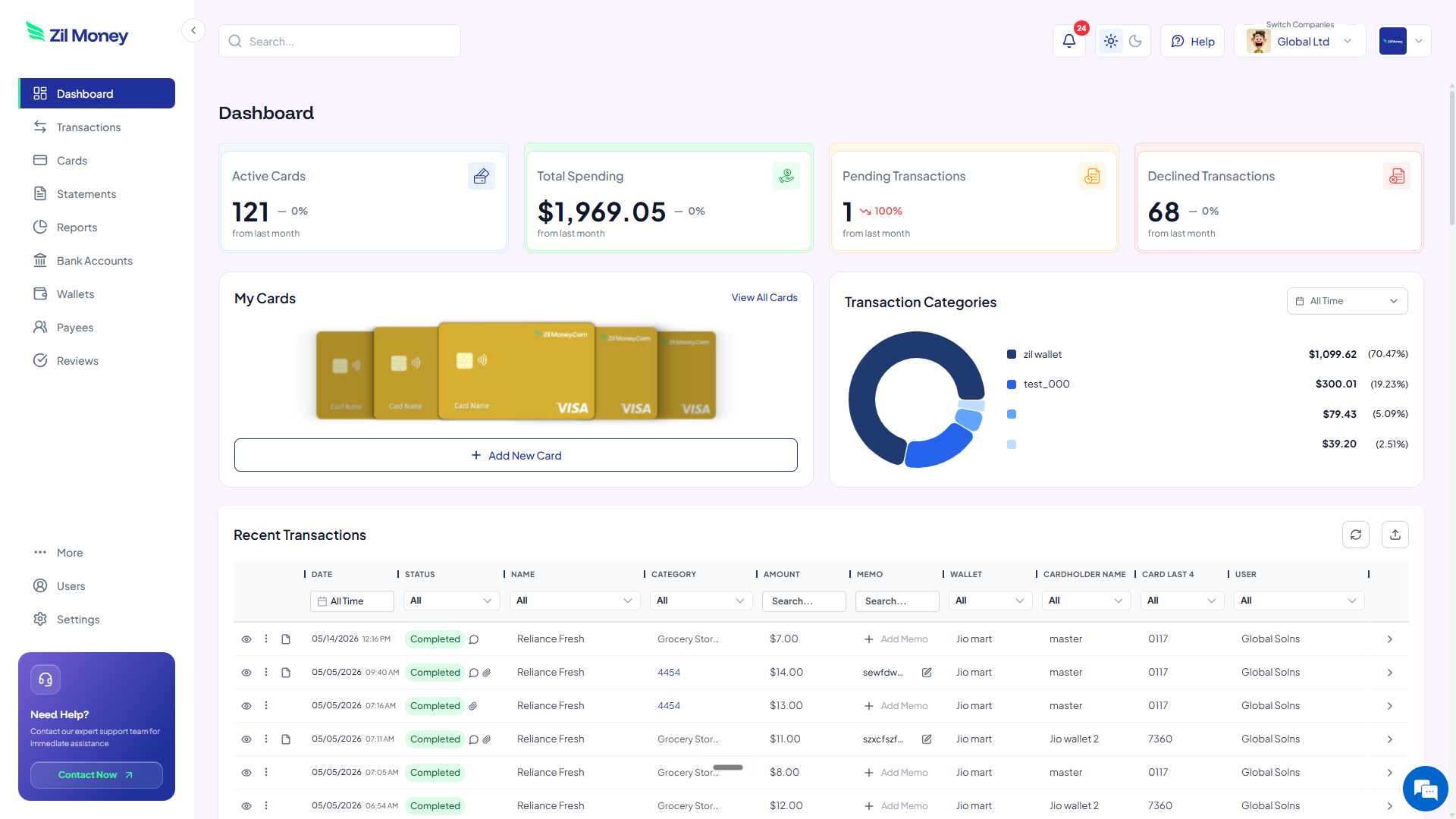
Live dashboard
Spend by vendor, declined over-limit attempts, pending charges, and per-merchant rollups.
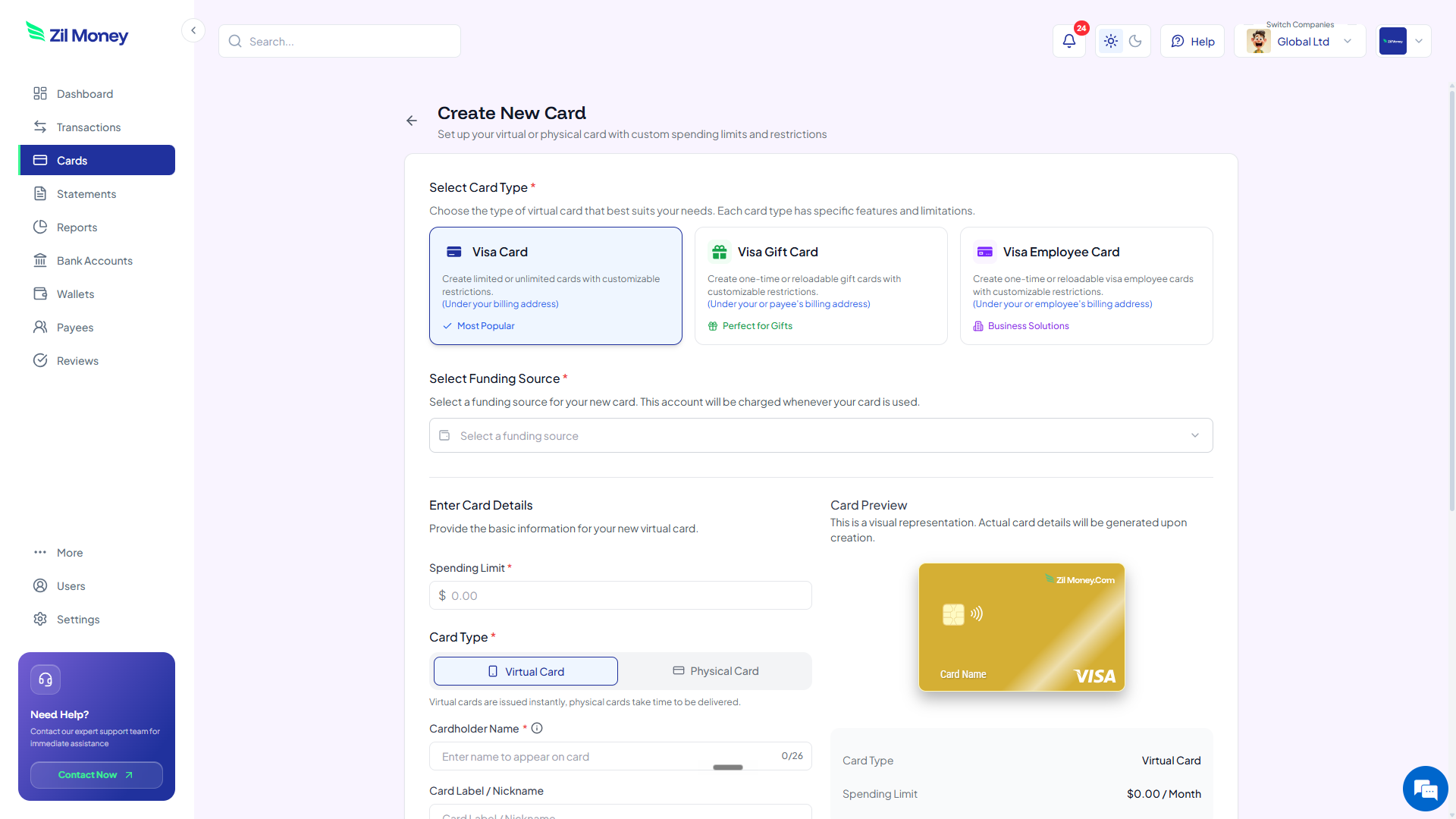
Issue a vendor card in minutes
Set the cap to the contract amount, restrict it to the vendor, and share the details.
What you can set on a vendor card.
ControlWhat you setWhy it matters
Spending limit
The contract amountCharges over the agreed amount can be blocked based on your controls.
Merchant restriction
The intended vendorRestrict the card to the vendor based on supported controls, so a leaked number is not useful elsewhere.
Vendor label
A reporting tagPer-vendor spend rolls up in your dashboard and exports.
Time restriction
The contract termSet a window so the card is active only for the life of the agreement.
Cancel
AnytimeCancel the card to stop future charges from clearing.
Three ways AP teams use vendor cards.
- Recurring supplier
A card capped at the monthly invoice. If the supplier bills more than agreed, the extra is declined and flagged.
- New vendor trial
A card with a small limit and a short active window. If the vendor works out, raise the limit. If not, cancel it.
- Contract end
When you switch suppliers, cancel the old vendor's card. Their next billing attempt does not clear.
Related reading: how to pay vendors with virtual cards and virtual cards for SaaS subscriptions.
Common questions.
What is a vendor virtual card?
It is a virtual Visa card dedicated to one supplier. It carries the budget you agreed to pay that vendor and can be restricted so other merchants cannot charge it.
Can I restrict a card to one vendor?
The card can be restricted to the intended vendor based on supported controls. That makes a leaked card number far less useful to anyone else.
How do I stop paying a vendor?
Cancel the card from your dashboard so the vendor's next charge does not clear. Close out the contract with the vendor as well to fully end the agreement.
Can I pay international vendors?
The card works wherever Visa is accepted. Set the spending limit and any merchant or time restrictions that fit the agreement.
How many vendor cards can I create?
Create a separate card for each vendor you work with, so every supplier has its own budget and its own spend rollup.
Related setups.
- Card types
Virtual gift cards for your employees
A practical guide to virtual gift cards for employees: which occasions call for one, how to set the budget, virtual versus physical delivery, redemption tracking, and the W-2 reporting step most guides skip.
8 min read - Card types
Visa virtual card
Give each vendor, subscription, and employee their own Visa card instead of sharing yours. Put a limit on each one, keep it to a single merchant, and see exactly where every dollar
5 min read - Card types
Virtual expense cards
Give each project, team, or trip its own reloadable Visa card with a set spending limit. Track every charge, collect receipts, and adjust or cancel the card from one dashboard.
3 min read
Issue the first one this afternoon.
Vendor virtual cards take about a minute each: pick the type, set the limit, add the restrictions, send it.